Executives Prefer Predictability — That’s Why AI Is Used to Cut Costs, Not Just Improve Productivity
Executives Prefer Predictability — That’s Why AI Is Used to Cut Costs, Not Just Improve Productivity
There is a subtle but powerful narrative in how tech companies talk about AI:
“We’re adopting AI to boost productivity.”
It sounds harmless — even positive.
But when developers pay attention to what actually happens after adoption, the story shifts:
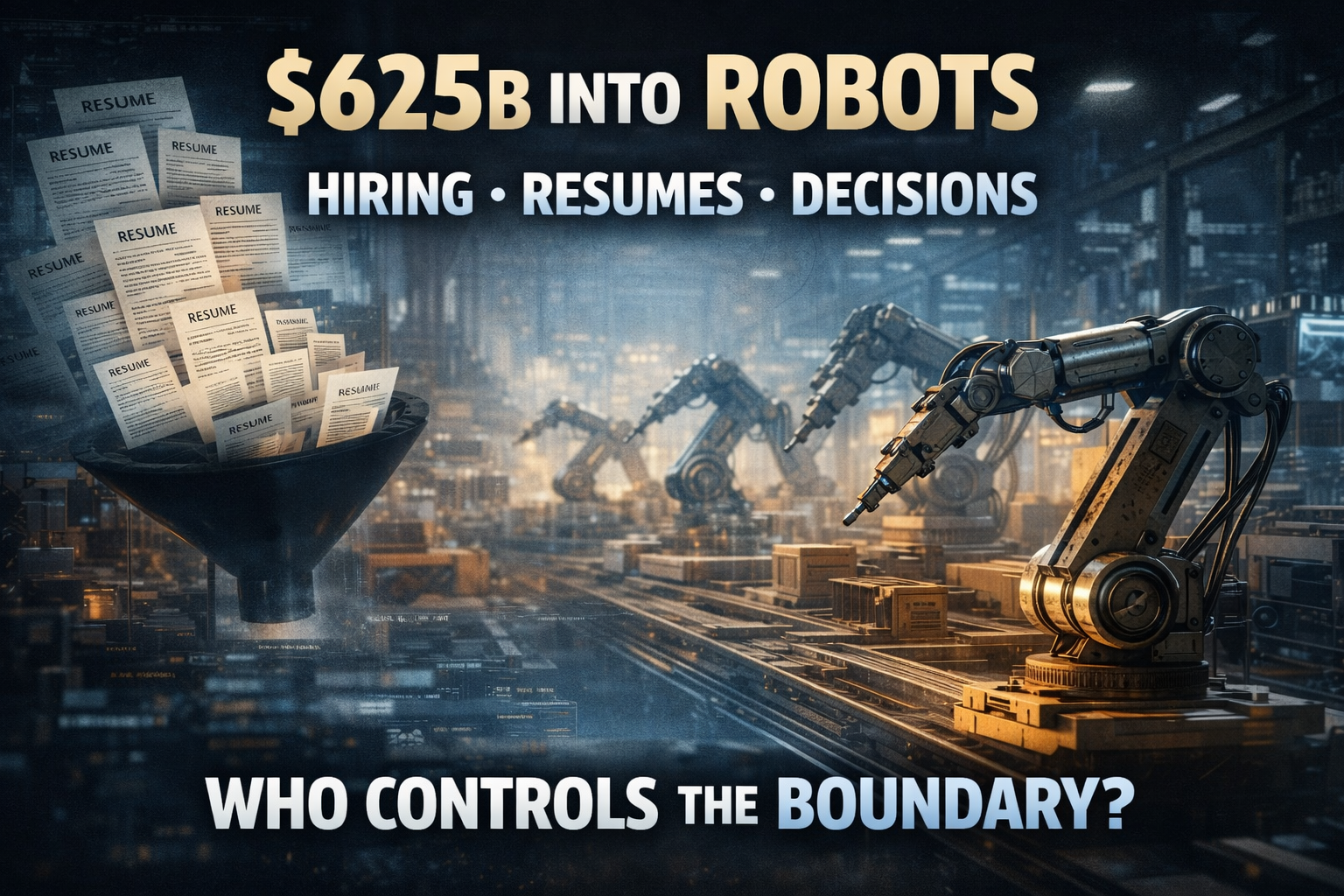
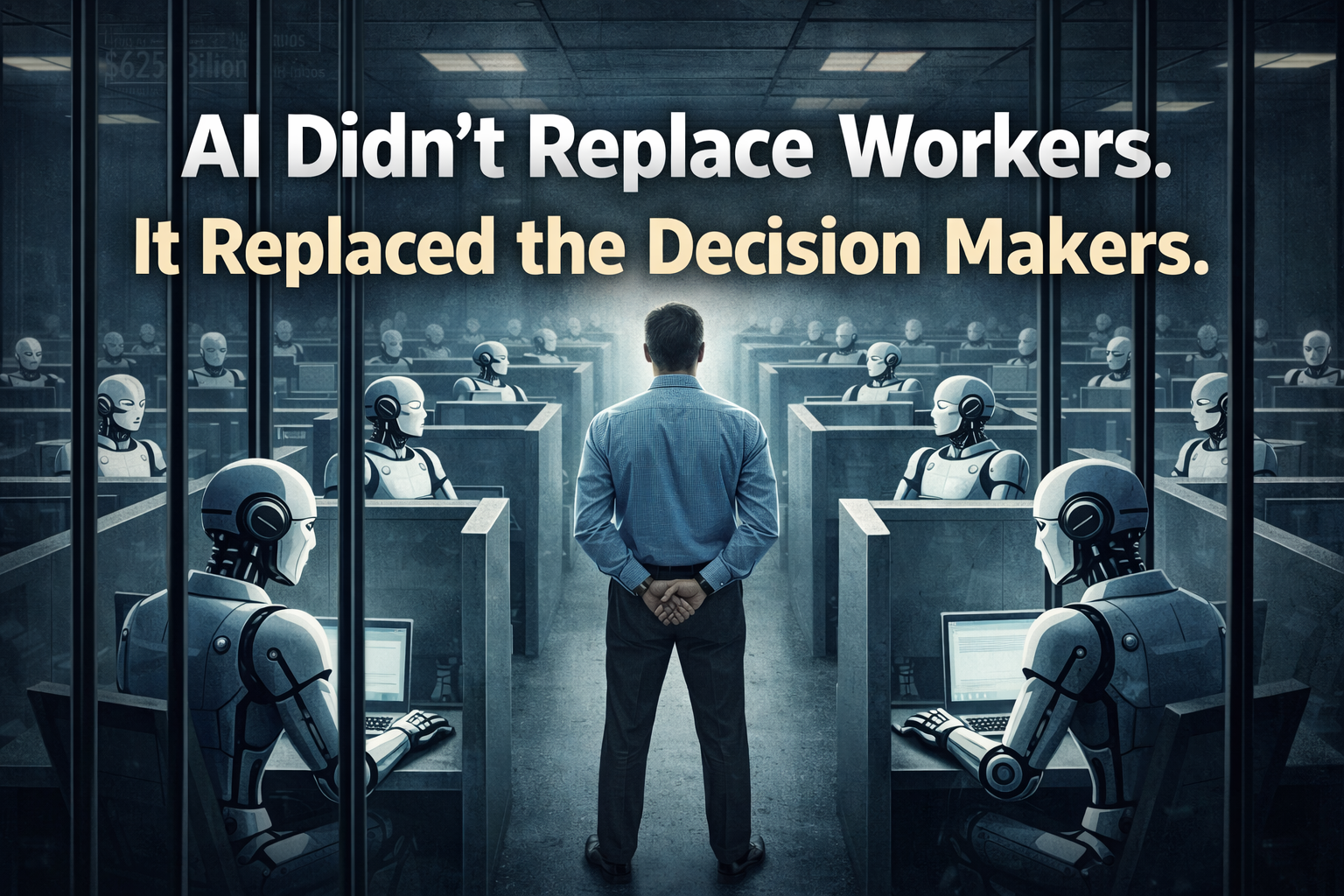
AI isn’t just boosting productivity — it is being used as the reason to reduce headcount and cap labor costs.
This is not a moral judgment. It is an economic observation rooted in the incentives companies operate under — and it is why developers are feeling uneasy.
Why Predictability Beats Negotiation in Business Logic
For a business:
- labor costs are a variable
- automation (tools, scripts, AI) promises a fixed cost
Predictability is not the same as performance.
But from an executive standpoint:
- predictability means stable budgets
- variable labor means risk and negotiation
- fixed costs mean control
Therefore, even if AI does not fully replace a job, it changes the math.
If you can reduce headcount by relying on AI outputs that are “good enough,” leadership will do it.
And this shift is not theoretical. Developers are seeing it in real behavior, not just rhetoric.
Voice from the Field: When Cost Trumps Craft
Developers in public forums put it bluntly:
“Most companies cut 10–20% of staff once they think AI improves productivity — even if there’s plenty of work left.”
This is not a tool failing. It is a decision pattern.
The company is not asking:
- how do we preserve judgment?
- how do we ensure quality?
- where does experience matter?
They are asking:
- how do we lower headcount?
- how do we cap costs?
- how do we fix output without ongoing negotiation?
That is not a developer problem — it is a governance problem.
When Output Becomes a Proxy for Value
Most companies still have not defined how AI ties to decisions.
So they default to:
AI output equals operational value.
Cost savings equals strategic success.
That equation sounds good on paper — until you live with it.
From a developer perspective:
- output quality still needs review
- edge cases still need context
- business logic still needs interpretation
But when leadership equates AI output with value delivered — and human cost with expense — that is when tension arises.
Why Developers Feel Stuck
The problem developers articulate isn’t:
“AI is replacing us.”
It is:
“AI is being used as justification for reducing our negotiating power.”
Your skills matter.
Your judgment matters.
Your context still matters.
But if the system does not value those things — if it only values output volume — then organizations optimize around what the system measures.
And right now, most systems measure:
- deployments
- lines generated
- tasks completed
Not:
- nuanced decision boundaries
- accountability
- irreversible outcomes
That disconnect creates pain for developers.
The Governance Gap Companies Ignore
Here is the core insight:
AI tools do not decide.
AI tools provide signals.
But without clear boundaries — without defined decision authority — organizations fill the gap with:
- cost optimization
- variable labor reduction
- risk avoidance
All of which sound financially rational but omit meaningful judgment.
That is exactly what the Decision Boundary Framework (DBF) is designed to address.
Where Developers Still Create Value
Even if AI generates code, suggests fixes, or automates tests, only humans can:
- define business goals
- interpret edge cases
- assign context to ambiguous situations
- take responsibility for impact
That is not just skill — that is authority.
And authority is what companies ultimately buy when they invest in humans.
But if systems equate cheap output with value, then authority gets ignored.
Closing: Predictability Is Not the Same as Value
Predictability is important in business.
But if predictability becomes the rationale for replacing judgment — especially in technical work — then developers are wise to push back.
Not because AI is threatening, but because companies often optimize for short-term cost over long-term trust, resilience, and quality — and tech workers experience that first.
Call to Action
If you’re a developer navigating this transition — where output metrics are favored over human judgment — you owe it to yourself to understand how decision authority becomes the real leverage layer in an AI-augmented workforce.
That is why I developed the Decision Boundary Framework (DBF) — and why AI Under Pressure will teach you how to design systems where human judgment remains indispensable.
Join the early adopter list now.
Course launches January 30, 2026.
Ready to Build This System?
Join the Early Adopter cohort and get access to live training, direct feedback, and influence on course refinement.
Early Adopter Cohort — Limited Access
Regular Price
$499
Early Adopter Price
$299
Save $200 — 40% off
This is a limited early cohort. Early adopters get access to the course while it is still being refined.
Early adopters get:
- Live, instructor-led training sessions
- Direct feedback on your system
- Influence on course refinement
Once the system stabilizes, live sessions will be recorded and future students will receive on-demand access only.
Early adopters get proximity.
Later students get the library.